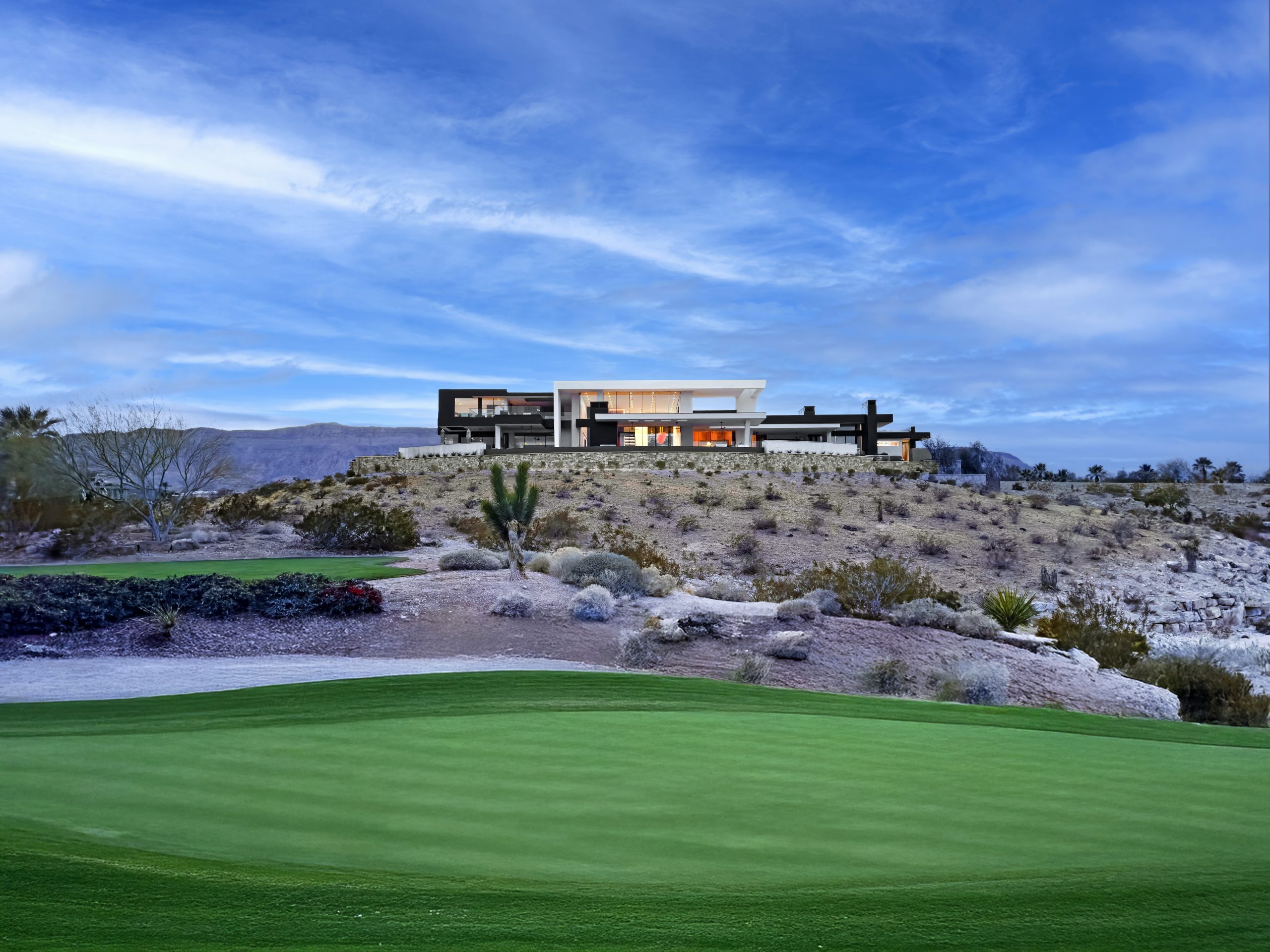
There are projects where customization is a detail.
And then there are projects where customization is the foundation everything else is built on.
This project falls firmly into the latter.
From the outset, this was not about selecting from a catalog or adapting an existing solution. It was about creating something that didn’t exist yet—developing materials, refining processes, and collaborating closely with the design team to bring highly specific ideas into reality. Every surface, every transition, and every reflection was considered. The result is a space defined not just by how it looks, but by how intentionally it was made.
Starting with Possibility, Not Limitations
One of the defining characteristics of this project was the level of collaboration required to move from concept to execution. The design team brought forward ambitious ideas—color transitions across mirrored cabinetry, precision-cut wood veneer over reflective surfaces, and light-reactive glass elements—and each one demanded more than standard fabrication.
Instead of asking what was readily available, the process centered on what was possible.
That shift in mindset is where the real work began.
Rethinking the Mirror: A Continuous Color Fade
At first glance, the cabinetry reads as effortless—a smooth, continuous green fade stretching across cabinet and drawer fronts. But achieving that level of visual consistency required far more than applying a finish.
While color-fade techniques existed, they had never been executed at this scale, across multiple panels, with this level of precision. Each mirrored panel had to be individually crafted, with the color applied by hand and carefully controlled to ensure the gradient aligned perfectly from one surface to the next.
There was no room for approximation. Even the slightest variation would disrupt the continuity.
What appears seamless is, in reality, the result of meticulous calibration, repeated testing, and a deep understanding of how color behaves on reflective material. It’s a reminder that the simplest visual moments are often the most complex to achieve.
Reinventing Material Combinations: Wood Veneer Meets Mirror
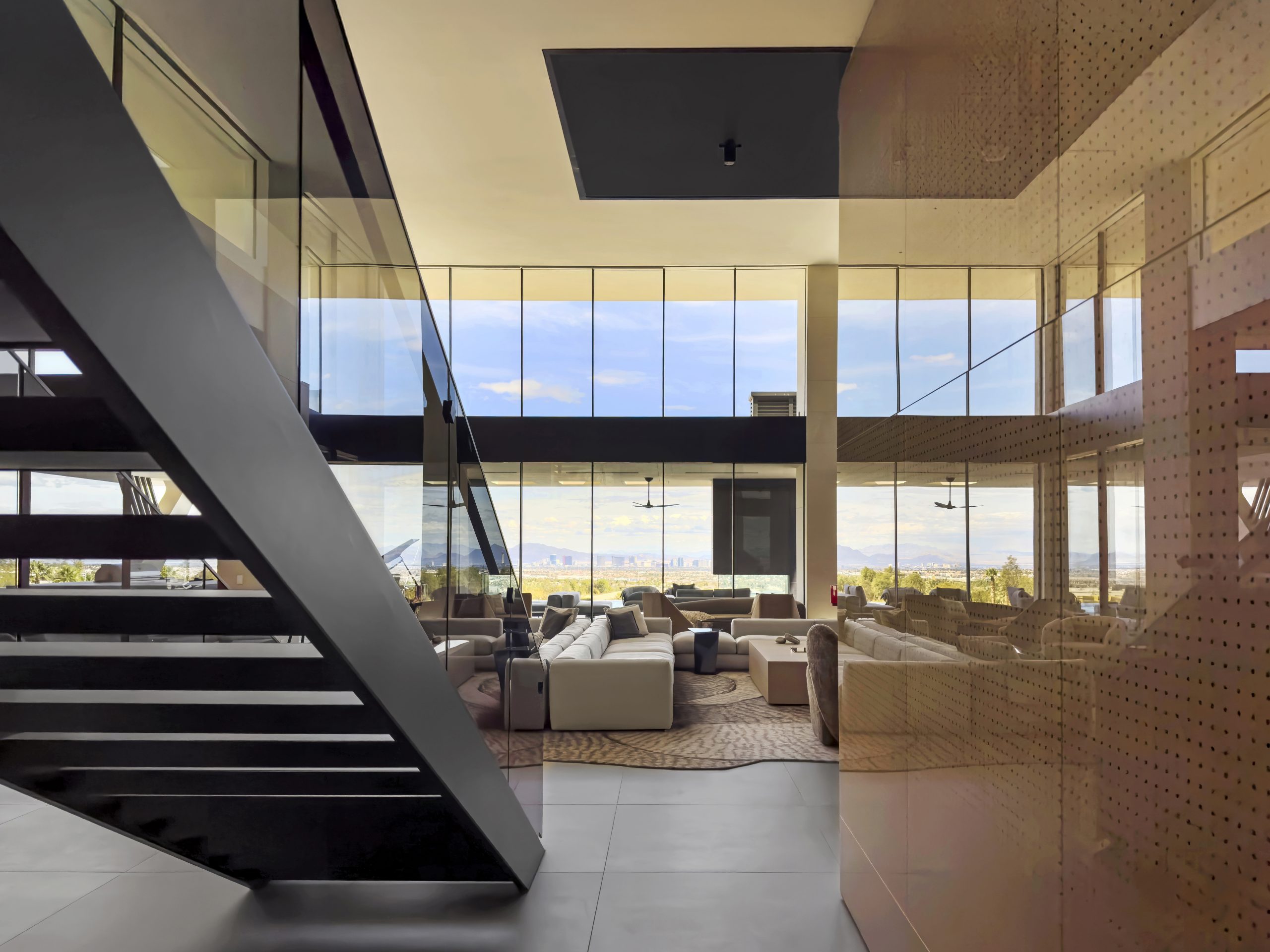
If the cabinetry pushed the limits of finishing, the staircase enclosure pushed the limits of material integration.
The design called for white oak veneer panels with a die-cut pattern—layered over mirror to create depth, contrast, and reflection. On paper, it’s a compelling idea. In practice, it introduced a series of technical challenges that required months of research and development to resolve.
Traditional lamination methods weren’t enough. The solution ultimately came in the form of a specialized liquid-pour technique, allowing the veneer to bond cleanly to the mirror without compromising either material.
From there, precision became everything.
Each panel was fabricated and assembled to a tolerance of .062 inches. That level of accuracy ensured that when installed, the pattern aligned perfectly across the entire surface—no visual breaks, no inconsistencies, just a continuous, intentional design.
This wasn’t about making a material work. It was about redefining how materials could work together.
Light as a Material: Exploring Dichroic Glass
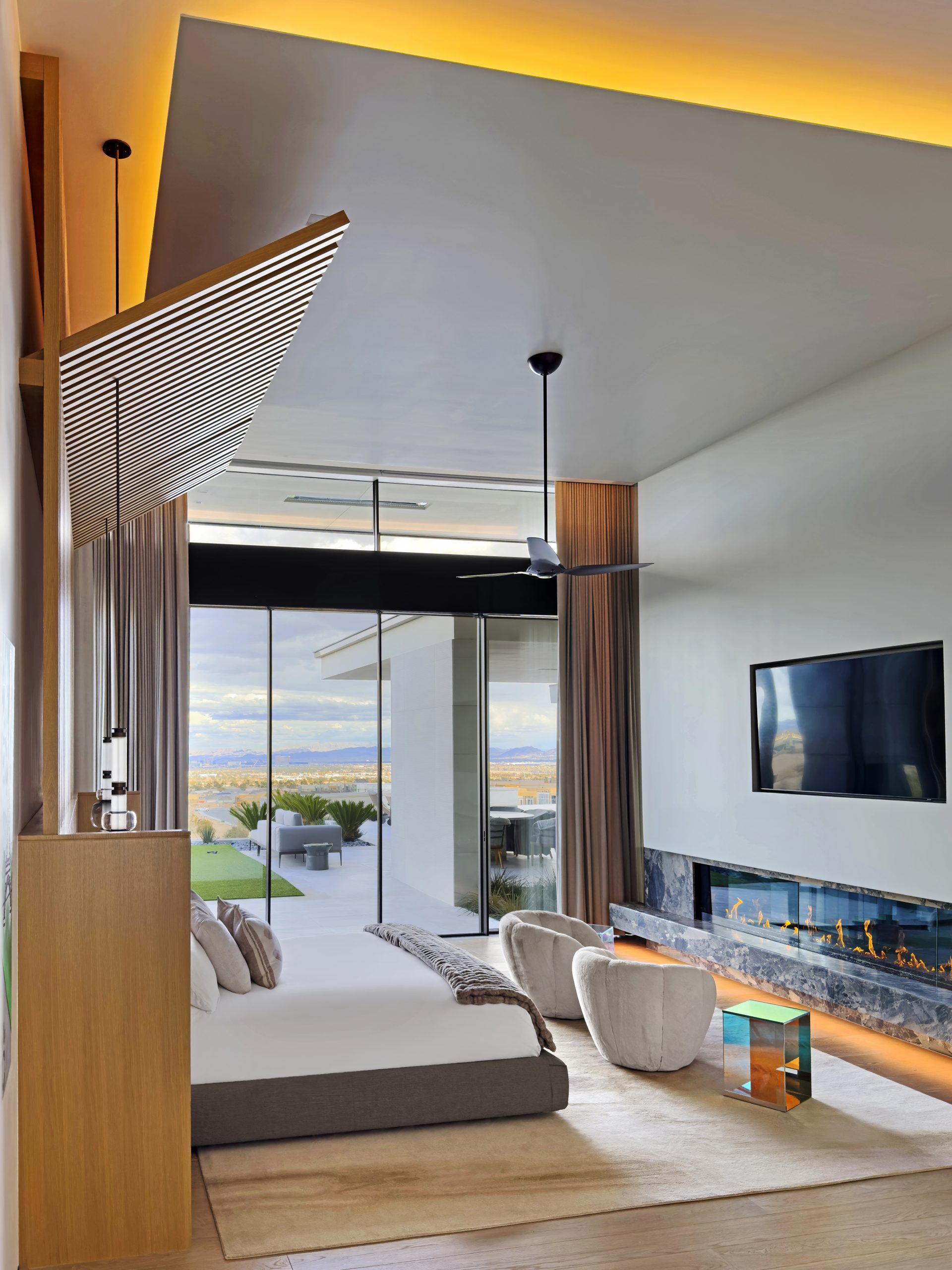
Beyond the architectural elements, the project also introduced smaller, highly expressive pieces—dichroic glass side tables designed to interact with light throughout the day.
Unlike static materials, dichroic glass shifts in color depending on the angle of light and the viewer’s perspective. It’s constantly changing, bringing movement and energy into the space without ever feeling overwhelming.
These pieces began as a concept from the design team, with prototyping and development playing a key role in refining how the material would perform in the environment. The result is an element that feels alive within the space—subtle at times, vibrant at others, and always engaging.
Precision Is the Difference
What ties every element of this project together is not just customization, but control.
Control over color.
Control over alignment.
Control over how materials interact with each other and with light.
That level of control doesn’t come from off-the-shelf solutions. It comes from a willingness to test, to iterate, and to refine—over and over again—until the result matches the original vision.
In the case of the Brown Residence, that meant months of development, close collaboration across teams, and an uncompromising approach to execution.
The Outcome: Something You Can’t Replicate
There’s a noticeable difference between a space that looks custom and one that truly is.
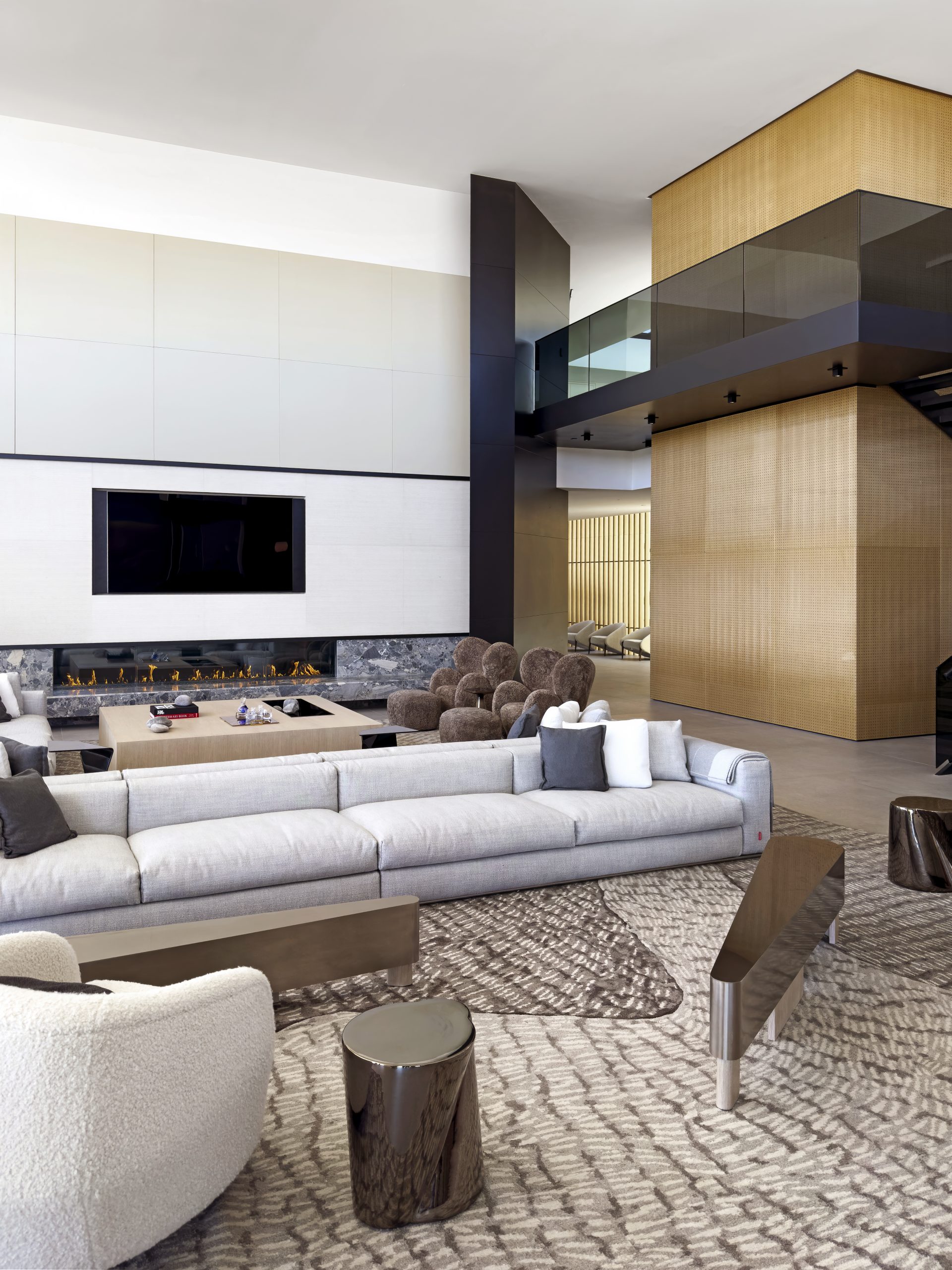
In this project, nothing was incidental. Every detail was considered, developed, and executed with intention. The cabinetry doesn’t just feature a color—it carries it seamlessly across an entire surface. The staircase enclosure doesn’t just combine materials—it introduces a new way for them to exist together. The glass elements don’t just reflect light—they transform it.
These are not solutions that can be pulled from a shelf or easily repeated. They exist because of the specific collaboration, challenges, and ideas that shaped them.
And that’s the point.
When the process is this deliberate, the outcome becomes more than a finished space. It becomes a reflection of what’s possible when craftsmanship, experimentation, and design ambition are given equal weight.